

Maltodextrin: The Hidden Sugar You’re Probably Eating Every Day
Most people don’t realize this…
You could be doing everything right—
eating “healthy,” choosing “low sugar,” even drinking protein shakes…
And still be spiking your blood sugar multiple times a day.
Why?
Because of an ingredient most people never think to look for:
Maltodextrin
Let’s Make This Real
In research, participants are often given
75 grams of maltodextrin to study blood sugar response.
But what does that actually look like?
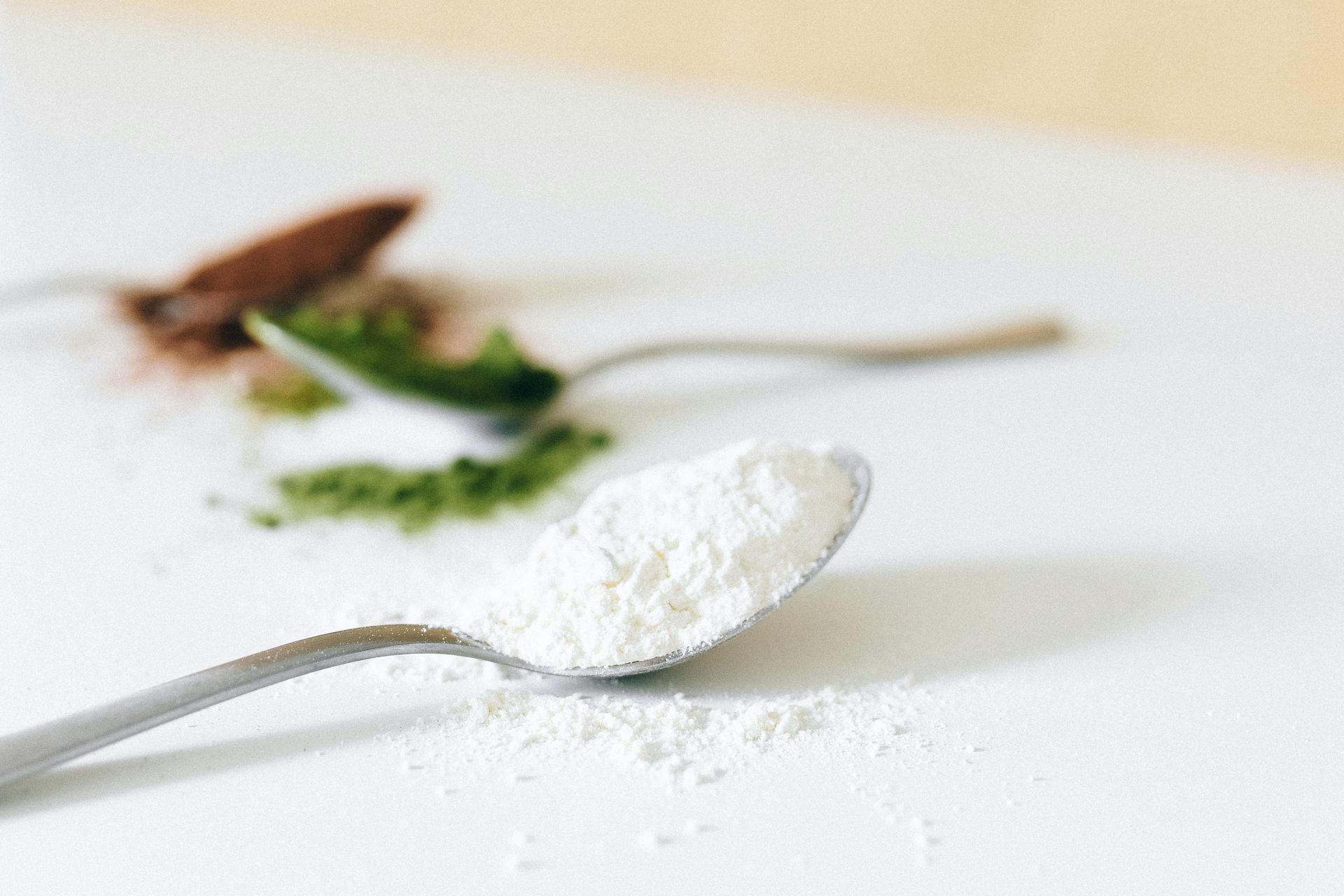
75 grams = approximately:
5 tablespoons
15 teaspoons
Let that sit for a moment.
That’s like adding
5 spoonful of fast-acting glucose into your system.
And here’s the problem:
You may not be adding it…
…but you may be
eating it without realizing it.
Where You’re Actually Getting Maltodextrin
Let’s look at real-life examples (this is where it hits):
Common foods that often contain maltodextrin:
- Protein powders
- Meal replacement shakes
- “Sugar-free” pudding or desserts
- Coffee creamers
- Sports drinks
- Packaged soups and sauces
According to Healthline, maltodextrin is widely used because it improves texture and shelf life.
How Much Are You Really Getting?
Here’s the issue:
Food labels
do not list the amount of maltodextrin.
So you have to read differently.
Label Clues:
If maltodextrin is in the
first 3–5 ingredients → higher amount
If it appears multiple times (modified starch, dextrin, etc.) → cumulative effect
Translation:
You may not be getting 75g at once…
…but you may be getting
small spikes all day long.
And those spikes
add up.
Why Do Companies Use Maltodextrin?
This is important—because it explains why it’s everywhere.
Food manufacturers use it because it is:
- Cheap
- Tasteless (easy to hide)
- Improves texture (creamy, smooth)
- Extends shelf life
- Keeps products “low sugar” on labels
WebMD notes that maltodextrin is rapidly absorbed and commonly used in processed foods for these functional benefits.
Bottom line:
It helps the product…
but not your metabolism.
“Good” vs “Bad” Maltodextrin (What You Need to Know)
This is where confusion happens.
Most foods contain:
Digestible maltodextrin
- Rapidly absorbed
- Spikes blood sugar
- Found in processed foods
Less common:
Resistant maltodextrin
- Acts more like fiber
- Slower digestion
- May support gut health
How to tell the difference:
Look for wording like:
- “Resistant dextrin”
- “Soluble corn fiber”
If it just says “maltodextrin”
→ assume it’s the fast-acting form.
Why You Don’t Need It at Home
Here’s where it really clicks for people:
When you cook at home, you don’t need maltodextrin.
Why?
Because you’re not trying to:
- Mass produce food
- Extend shelf life for months
- Standardize texture across thousands of units
You’re simply:
✔ Cooking real food
✔ Using natural ingredients
✔ Eating it fresh
What to Use Instead (Real-Life Replacements)
If you want the same function without the metabolic hit:
Instead of maltodextrin, use:
- Blended cashews (creaminess)
- Cooked oats (thickening)
- Chia or flax (binding + fiber)
- Pureed vegetables (body + texture)
- Dates or fruit (natural sweetness)
These don’t just replace texture—
they support your metabolism instead of stressing it.
Why This Matters More Than You Think
This is where everything comes together:
You don’t need one big spike to create a problem.
You need repeated small spikes.
- Morning: protein shake with maltodextrin
- Afternoon: “healthy” snack
- Evening: sauce or soup
That’s multiple glucose spikes… every day.
And over time, that leads to:
- Insulin resistance
- Fatigue
- Cravings
- “Unexplained” blood sugar issues
This Is the Part Most People Miss
It’s not always the obvious sugar…
it’s the hidden ingredients that quietly drive your biology.
Your body is responding to everything you eat—
whether you recognize it or not.

Parabens: The Hidden Hormone Disruptors Lurking in Everyday Products

Understand why TV may mislead your sleep quality. Explore healthier sleep habits for better rest. Contact us for lifestyle changes!

Understand hormonal changes in perimenopause & menopause. Learn how diet can help balance hormones and improve health.

Atrazine poses health risks like hormone disruption. Detox is vital for wellness. Contact us to reverse diabetes & reduce inflammation.

Understand A1c levels and their impact on health. Learn to reverse type 2 diabetes & reduce inflammation with lifestyle changes.

Explore the 2025 Clean 15 & Dirty Dozen lists to reduce inflammation and manage type 2 diabetes. Make informed grocery choices today!

Understand how caffeine affects adrenal glands & aging. Learn safe usage tips. Contact us for lifestyle changes to improve your health.

Reverse Type 2 diabetes without medications through lifestyle changes. Start your journey to better health today!

Learn the top 5 signs of blood sugar imbalance, including fatigue & cravings. Take action to reverse insulin resistance today!
Understand prediabetes, a silent but reversible condition. Act now to prevent type 2 diabetes with lifestyle changes. Contact us today!