A Grocery Store Guide for Reducing Inflammation and Protecting Your Health
Every week in my practice, I see the same pattern:
People fighting inflammation.
People fighting chronic pain.
People fighting high blood sugar, high blood pressure, metabolic dysfunction, weight that won’t move, fatigue that won’t lift.
And yet… many don’t realize how much of that begins in their grocery cart.
Sometimes I feel like I’m preaching a message no one hears until it is too late. But I’m going to keep preaching it anyway—because the stakes are too high.
Your daily choices matter.
Your food matters.
And the pesticides in your food matter more than most people realize.
That’s why the Dirty Dozen
and Clean 15
lists exist—simple tools that guide you toward cleaner produce, reduced toxic load and lower inflammation.
And for anyone dealing with type 2 diabetes, prediabetes, autoimmune issues, gut problems, or chronic inflammatory conditions, this isn’t optional.
This is foundational.
Why This Matters: Inflammation Is the Root of Chronic Disease
Before we dive into the lists, let’s talk about why this conversation matters so deeply.
Pesticides don’t just sit on the surface of your food.
They enter your bloodstream.
They influence your hormones.
They impair your gut microbiome.
They burden your liver—the very organ responsible for managing blood sugar, detoxification and inflammation control.
Chronic inflammation is linked to:
- Type 2 diabetes
- Insulin resistance
- Fatty liver disease
- Cardiovascular disease
- Autoimmune conditions
- Gut permeability (leaky gut)
- Neurological inflammation
- Hormone disruption
- Slow metabolism and weight gain
Every bite you take either calms inflammation or ignites it.
This guide helps you choose the foods that don’t pour gasoline on the fire.
What Are the Dirty Dozen & Clean 15?
Each year, the Environmental Working Group (EWG) tests tens of thousands of produce samples from the USDA to determine which fruits and vegetables carry the highest and lowest pesticide residues.
In 2025:
- More than 75% of conventionally grown produce had detectable pesticides.
- Over 95% of the “Dirty Dozen” samples contained pesticides—even after washing.
- 265 pesticides were detected across all produce tested.
- 203 pesticides were found just on Dirty Dozen foods.
- 60% of Clean 15 items had zero detectable pesticides.
This matters because pesticide exposure is associated with:
- Hormone disruption
- Fertility challenges
- Developmental issues
- Neurological changes
- Increased risk of metabolic diseases
You don’t need to fear food—but you do
need to choose wisely.
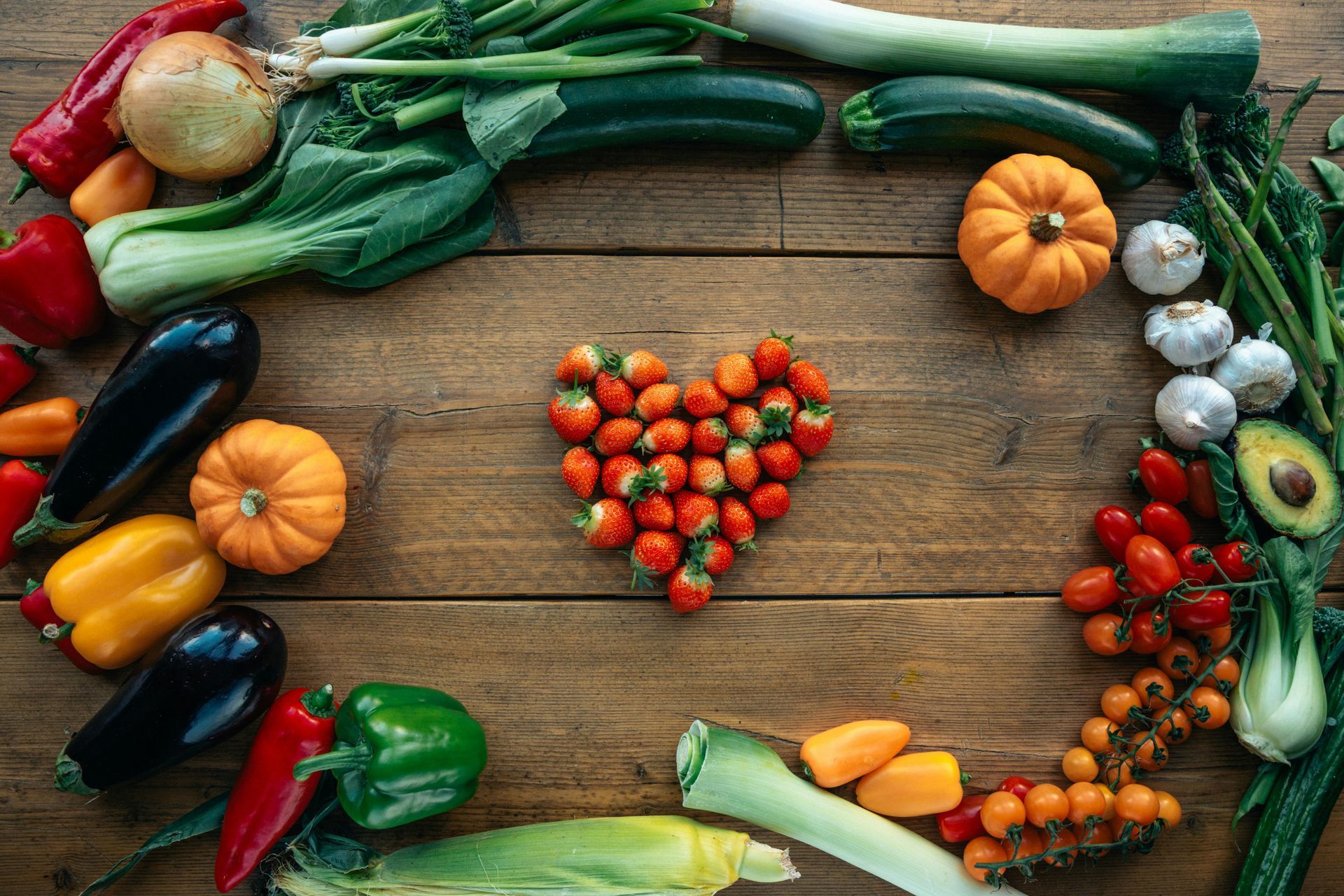
THE DIRTY DOZEN 2025 (Buy Organic When Possible)
Foods with the highest pesticide levels:
- Spinach
- Strawberries
- Kale, collards & mustard greens
- Grapes
- Peaches
- Cherries
- Nectarines
- Pears
- Apples
- Blackberries (new)
- Blueberries
- Potatoes (lowest pesticide count but still included)
What You Should Know
- 96% of samples had pesticides.
- Most items had 4+ pesticides per sample.
- Bell peppers, hot peppers and green beans narrowly escaped the list—so treat them like Dirty Dozen items too.
If you’re dealing with inflammation, liver overload, hormone imbalance or blood sugar issues, these are the foods to prioritize organic.
THE CLEAN 15 2025 (Safer to Buy Conventional)
Produce with the lowest pesticide residues:
- Pineapple
- Sweet corn (fresh & frozen)
- Avocados
- Papaya
- Onions
- Sweet peas (frozen)
- Asparagus
- Cabbage
- Watermelon
- Cauliflower (new)
- Bananas (new)
- Mangoes
- Carrots
- Mushrooms
- Kiwi
What You Should Know
- Nearly 60% had no detectable pesticides.
- Only 16% had multiple pesticides.
- Avocados, pineapple and sweet corn ranked among the lowest overall toxicity.
Budget-conscious families can confidently buy these conventional.
So How Do You Actually Reduce Your Pesticide Exposure?
1. Buy organic for the Dirty Dozen
These are the highest-impact swaps.
2. Use the Clean 15 to save money
Your organic dollars go further.
3. Wash everything
A simple baking-soda soak or vinegar rinse helps reduce surface residues.
4. Peel when you need to
Just understand you’ll lose some fiber.
5. Buy local & in-season
Shorter transport time = fewer chemicals needed.
6. Grow what you can
Even herbs and leafy greens make a difference.
7. Diversify your produce
Different foods = different exposure patterns + broader nutrients.
8. Support IPM farming practices
These farms use far fewer chemicals even without the organic label.
How This Connects to Type 2 Diabetes & Chronic Disease
Inflammation is not random.
It is not unlucky.
It is not “just genetics.”
It is a physiological response.
And what drives it?
- Toxins
- Pesticides
- Ultra-processed foods
- Sugar instability
- Gut dysfunction
- Mitochondrial stress
- Nutrient deficiencies
Pesticides aren’t the only
cause of disease…
but they are a daily
contributor that most people don’t even realize is affecting them.
Reducing pesticide load reduces:
✔
Liver burden (better detox + better sugar regulation)
✔
Oxidative stress (less inflammation)
✔
Endocrine disruption (better hormone balance)
✔
Gut permeability (less immune activation)
This matters deeply when you’re fighting type 2 diabetes or trying to reverse metabolic disease.
My Heart Behind This Guide
If I’m honest…
some days it feels like I’m talking into the wind.
People hear the information…
they nod along…
and then disease makes the decision for them.
But I believe in catching disease before
it catches you.
I believe people can heal.
I’ve watched it hundreds of times.
I watched it in my own father’s body.
I watched it in my own patients—reversing diabetes, lowering inflammation, reclaiming their energy, their hope, their lives.
This guide is not about perfection.
It’s not about fear.
It’s about empowerment.
It’s about giving you tools before it’s too late.
The grocery store is the first pharmacy.
Let this list help you shop like your life depends on it—because in many ways, it does.
Conclusion: Make Cleaner Choices, One Cart at a Time
The 2025 Clean 15 and Dirty Dozen list isn’t a diet.
It’s not a trend.
It’s a strategy—a simple starting point for anyone who wants to lower inflammation, protect their health and reverse chronic conditions like type 2 diabetes.
You don’t have to overhaul your life overnight.
Just start with the produce in your basket.
Your liver will thank you.
Your gut will thank you.
Your hormones will thank you.
Your future self will thank you.
And I’ll be right here cheering you on—every step of the way.
PS. The list may change annually. Follow EWG's annual guide for updates at ewg.org.
Parabens: The Hidden Hormone Disruptors Lurking in Everyday Products
Maltodextrin can spike blood sugar in many foods. Learn how to manage your diet to reverse type 2 diabetes & reduce inflammation.

Understand why TV may mislead your sleep quality. Explore healthier sleep habits for better rest. Contact us for lifestyle changes!

Understand hormonal changes in perimenopause & menopause. Learn how diet can help balance hormones and improve health.

Atrazine poses health risks like hormone disruption. Detox is vital for wellness. Contact us to reverse diabetes & reduce inflammation.

Understand A1c levels and their impact on health. Learn to reverse type 2 diabetes & reduce inflammation with lifestyle changes.

Understand how caffeine affects adrenal glands & aging. Learn safe usage tips. Contact us for lifestyle changes to improve your health.

Reverse Type 2 diabetes without medications through lifestyle changes. Start your journey to better health today!

Learn the top 5 signs of blood sugar imbalance, including fatigue & cravings. Take action to reverse insulin resistance today!
Understand prediabetes, a silent but reversible condition. Act now to prevent type 2 diabetes with lifestyle changes. Contact us today!