The Hormone Shift No One Prepared You For: Perimenopause & Menopause Explained

At some point between your late 30s and mid-40s, something begins to shift.
Be A Member Now
You may notice:
- Weight gain around the midsection
- Shorter cycles… or skipped ones
- Breast tenderness
- Anxiety or mood swings
- Sleep disturbances
- Heavy periods
- Brain fog
- Worsening blood sugar
And you might think:
“Is this just stress? Is it my thyroid? Is this aging?”
Welcome to perimenopause
— the metabolic and hormonal transition phase before menopause.
When Does Perimenopause Start?
Perimenopause can begin as early as the late 30s but most commonly begins in the early to mid-40s. It can last 4–10 years before menopause (defined as 12 consecutive months without a menstrual cycle).
(Source: North American Menopause Society)
During this time, ovarian function becomes irregular.
But here’s what most women are not told:
The first hormone to decline is progesterone, not estrogen.
What Actually Changes?
Progesterone Drops First
Ovulation becomes inconsistent → no ovulation → no progesterone production.
Progesterone is:
- Calming to the brain
- Balancing to estrogen
- Supportive of sleep
- Protective of the uterine lining
When it drops, estrogen becomes relatively dominant — even if estrogen levels are normal.
Estrogen Fluctuates (Wildly)
Estrogen in perimenopause is not simply “low.”
It fluctuates unpredictably.
High one month.
Low the next.
Sometimes very high.
This instability contributes to:
- Breast tenderness
- Heavy periods
- Fibroids
- PMS
- Migraines
- Insulin resistance
(Source: Santoro et al., J Clin Endocrinol Metab, 2015)
What Is Estrogen Dominance?
Estrogen dominance does not necessarily mean “too much estrogen.”
It means:
Estrogen activity exceeds progesterone activity.
This can occur due to:
- Anovulatory cycles
- Chronic stress (cortisol steals progesterone precursors)
- Insulin resistance
- Obesity (adipose tissue converts androgens to estrogen via aromatase)
- Environmental xenoestrogens (BPA, phthalates)
- Poor gut detoxification (impaired estrogen clearance)
(Source: Simpson et al., Endocr Rev, 2002; Diamanti-Kandarakis et al., Endocr Rev, 2009)
What Happens When Progesterone Is Low?
Low progesterone can lead to:
- Anxiety
- Insomnia
- Short cycles
- Heavy bleeding
- Estrogen-driven weight gain
- Blood sugar instability
- Increased inflammation
Progesterone interacts with GABA receptors in the brain — this is why women feel calmer when levels are adequate.
(Source: Schiller et al., Biol Psychiatry, 2016)
Why This Matters for Metabolic Health
Estrogen fluctuations affect:
- Insulin sensitivity
- Fat distribution
- Lipid metabolism
- Inflammation
Declining ovarian hormones are associated with increased visceral fat accumulation.
(Source: Carr, J Clin Endocrinol Metab, 2003)
And visceral fat increases aromatase → more estrogen → further imbalance.
This becomes a cycle.
Can Food Help?
Yes.
Certain plant-based foods:
- Improve estrogen detoxification
- Support progesterone production
- Improve insulin sensitivity
- Reduce inflammation
- Support liver clearance
Inside the membership portal, I break down:
✔ Foods that improve estrogen metabolism
✔ Foods that support progesterone balance
✔ Foods that reduce xenoestrogen load
✔ 5 hormone-balancing plant-based recipes
✔ A 7-day hormone reset framework
If you're navigating this phase and want a physician-guided strategy rooted in metabolic science — not guesswork — join us inside the membership.

Parabens: The Hidden Hormone Disruptors Lurking in Everyday Products
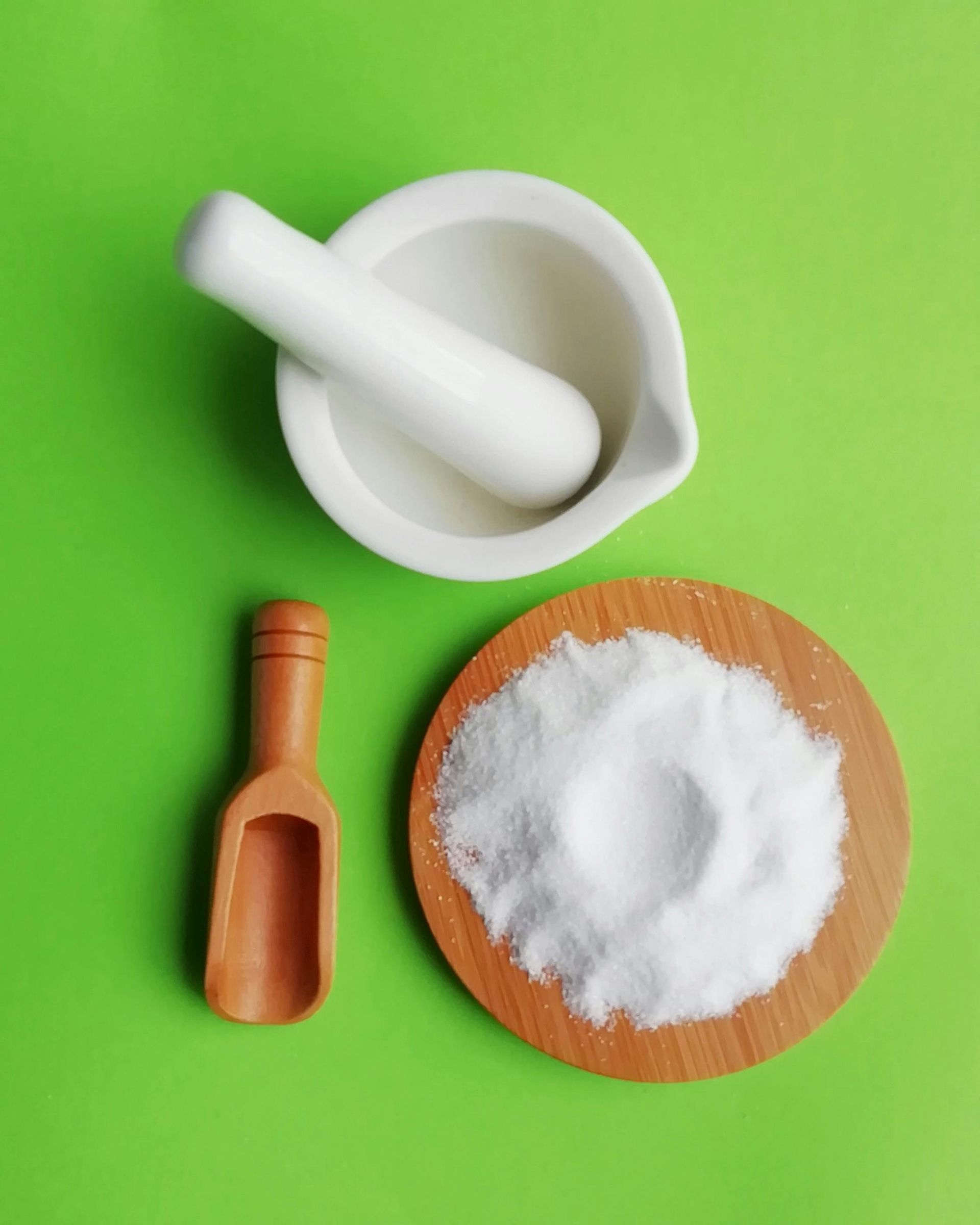
Maltodextrin can spike blood sugar in many foods. Learn how to manage your diet to reverse type 2 diabetes & reduce inflammation.

Understand why TV may mislead your sleep quality. Explore healthier sleep habits for better rest. Contact us for lifestyle changes!

Atrazine poses health risks like hormone disruption. Detox is vital for wellness. Contact us to reverse diabetes & reduce inflammation.

Understand A1c levels and their impact on health. Learn to reverse type 2 diabetes & reduce inflammation with lifestyle changes.

Explore the 2025 Clean 15 & Dirty Dozen lists to reduce inflammation and manage type 2 diabetes. Make informed grocery choices today!

Understand how caffeine affects adrenal glands & aging. Learn safe usage tips. Contact us for lifestyle changes to improve your health.

Reverse Type 2 diabetes without medications through lifestyle changes. Start your journey to better health today!

Learn the top 5 signs of blood sugar imbalance, including fatigue & cravings. Take action to reverse insulin resistance today!
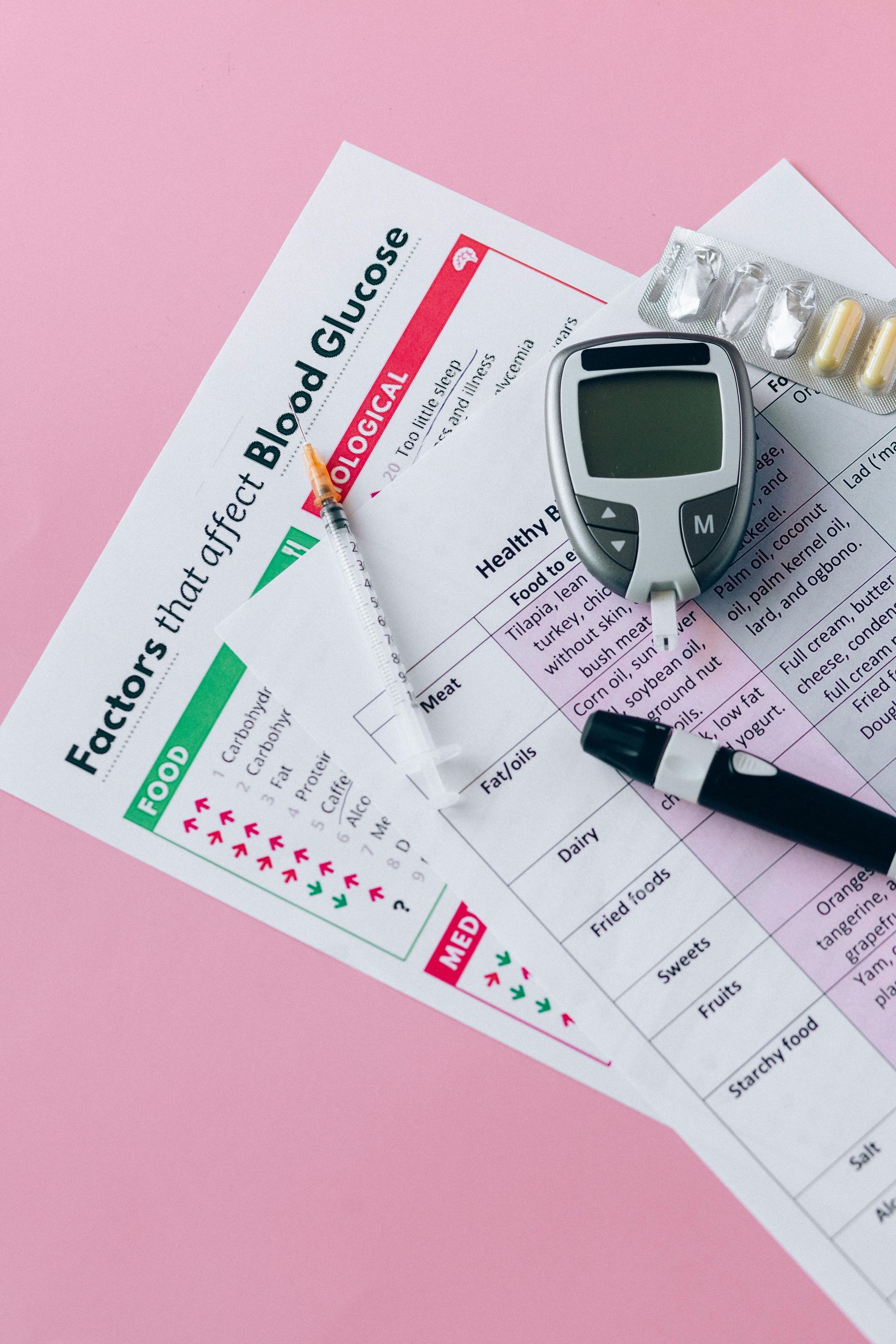
Understand prediabetes, a silent but reversible condition. Act now to prevent type 2 diabetes with lifestyle changes. Contact us today!