
Why Do People Sleep Better with the TV On? (And Why It’s Misleading)
You’ve heard it before:
No blue light. Cool room. Dark environment.
These are foundational principles for restorative sleep.
Yet many people will tell you:
“I sleep better on the couch with the TV on.”
So what gives?
Let’s break this down—because the answer is not what most people think.
The Illusion: “The TV Helps Me Sleep”
At first glance, it seems like the TV is helping. The lights are on, there’s noise, and yet… sleep comes easily.
But here’s the truth:
They’re not falling asleep because of the TV.
They’re falling asleep despite it.
Most people who doze off on the couch are already:
- Sleep-deprived
- Mentally exhausted
- Carrying high “sleep pressure” (your body’s biological drive to sleep)
Their body essentially overrides the environment and shuts down.
That’s not optimized sleep.
That’s survival sleep.
The Real Reason: The Mind Finally Gets Quiet
For many people, the real problem isn’t sleep—it’s the moment before sleep.
When the lights go out, the mind turns on:
- “Did I finish everything today?”
- “What about tomorrow?”
- “Why am I still awake?”
The TV becomes a form of mental distraction—a buffer.
Instead of being alone with their thoughts, the brain locks onto something neutral and low-stakes.
The result: the nervous system softens, and sleep sneaks in.
The Hidden Cost: Poor-Quality Sleep
Even though they fall asleep faster, the sleep they get is often:
- Lighter
- More fragmented
- Less restorative
Why?
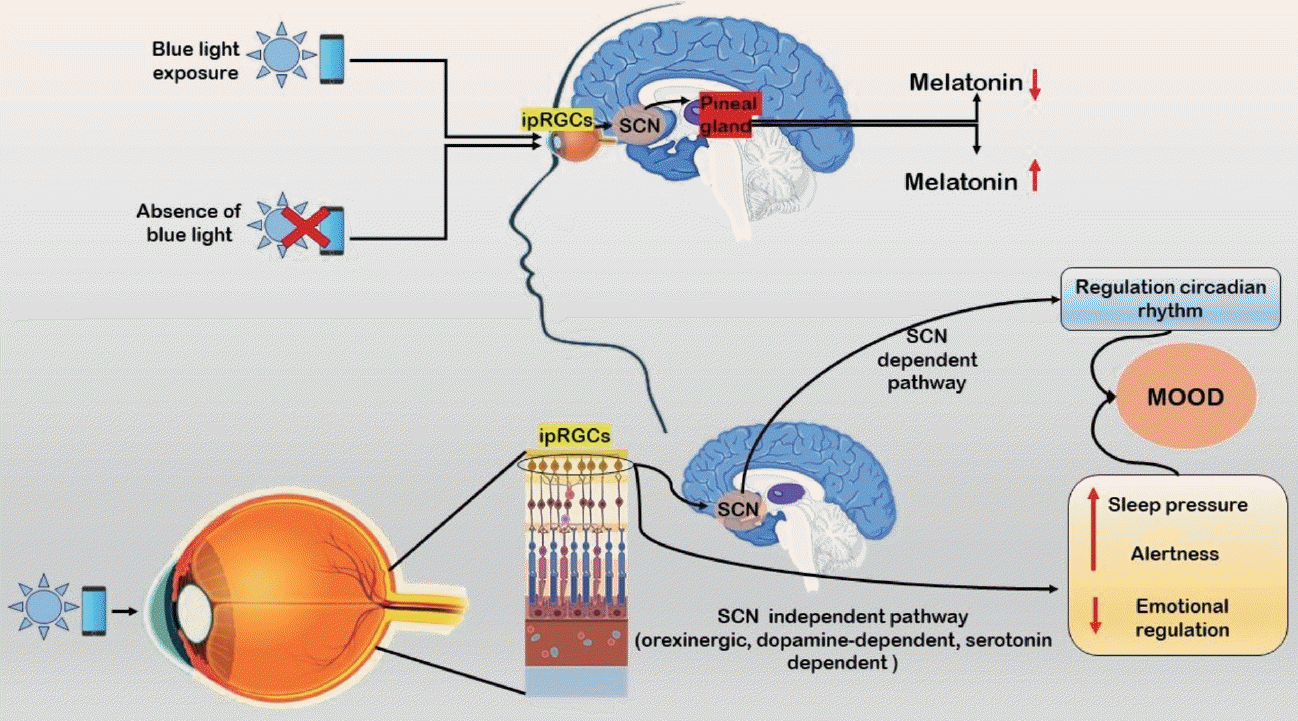
- Blue light suppresses melatonin (your sleep hormone)
- Sound fluctuations keep the brain semi-alert
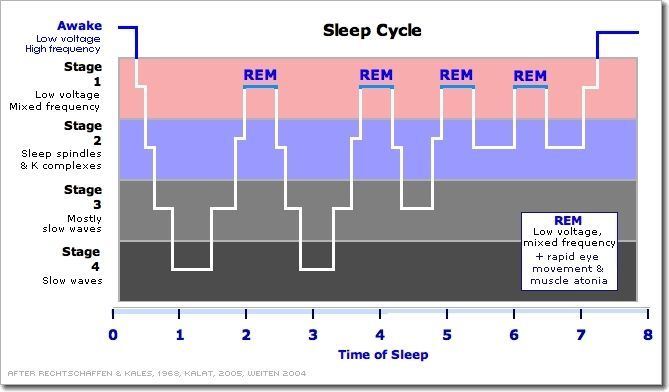
- Light exposure reduces deep sleep and REM cycles
So they wake up thinking:
“I slept… but I’m still tired.”
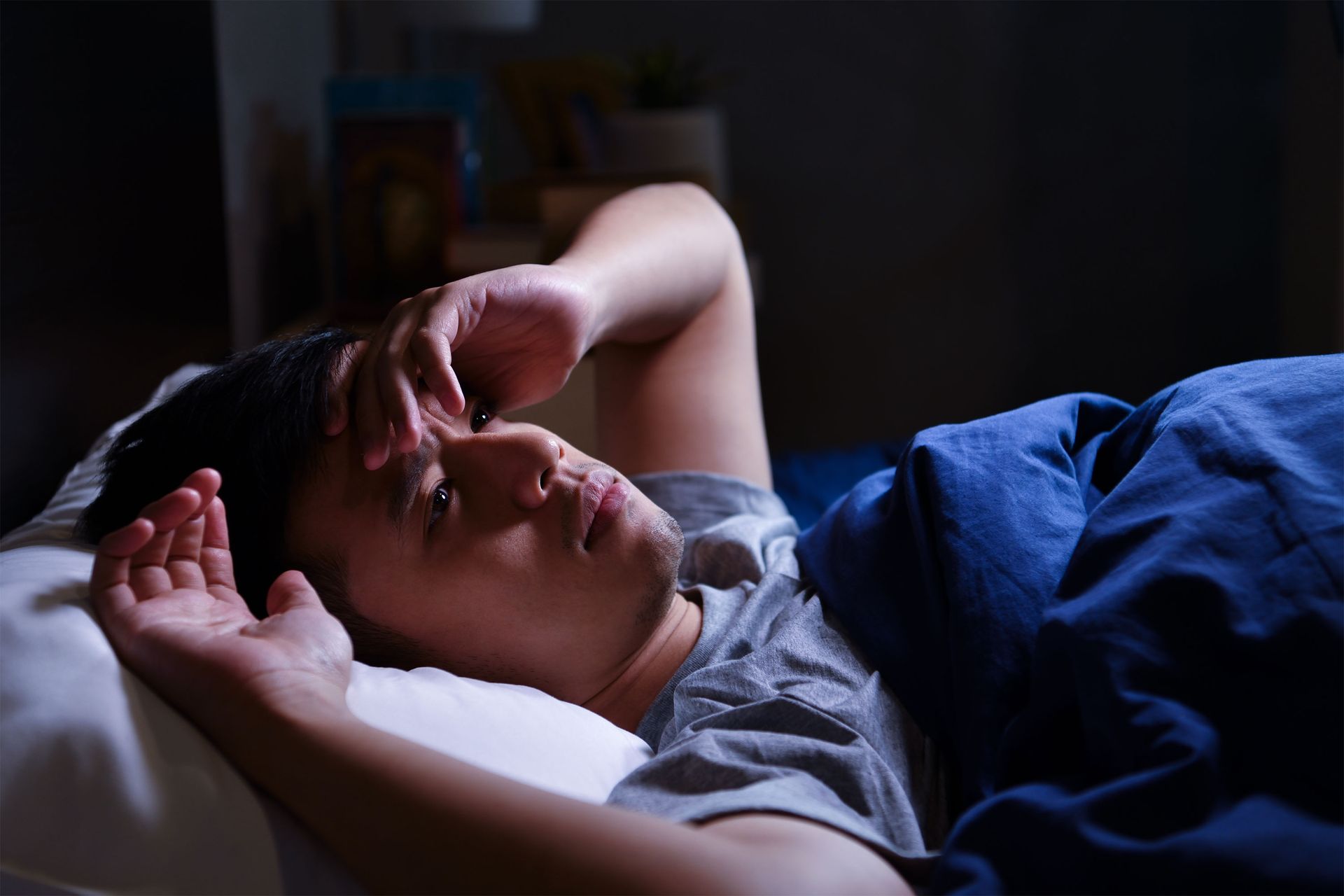
Why the Couch Feels Easier Than the Bed
Here’s where it gets interesting.
The issue isn’t just light—it’s pressure.
The bed has become a place of:
- “I need to sleep”
- “Why am I not asleep yet?”
That pressure activates stress.
The couch, on the other hand:
- Feels casual
- Has no expectation of sleep
And when pressure drops, the body relaxes.
The Conditioning Trap
Over time, the brain starts making associations:
- Couch + TV = relaxation → sleep
- Bed + silence = pressure → stress
Now the very place designed for sleep becomes the place where sleep is hardest.
The Shift: Replace the Function, Not Just the Habit
Telling someone to “turn off the TV” misses the point.
The TV isn’t the solution—it’s a coping tool.
So instead of removing it, we replace what it’s doing.
Try this:
- Audio instead of visual (audiobooks, calm narration)
- Brain dump journaling before bed
- Deep breathing to settle the nervous system
- Consistent wind-down routine that signals safety to the body
The Bottom Line
People fall asleep with the TV on because:
- They’re exhausted
- Their mind is overstimulated when it’s quiet
- The TV distracts them just enough to let go
But the sleep they get is:
Not deep. Not restorative. Not optimal.
A Final Word
Your body is designed to sleep deeply, repair fully, and restore completely.
But it can only do that when:
- The environment supports it
- And the nervous system feels safe enough to let go
The goal is not just to fall asleep.
The goal is to heal while you sleep.